
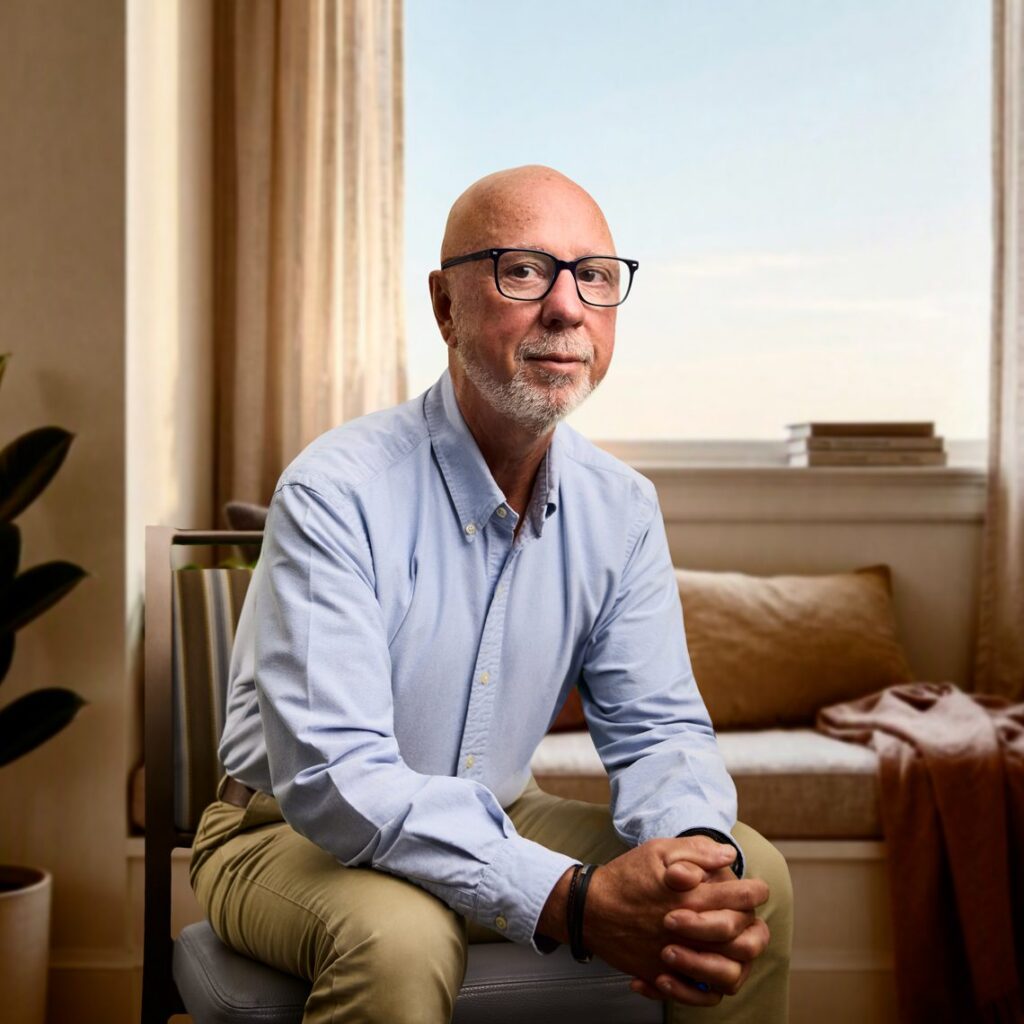
Todd had put considerable effort into his first disability claim. He understood forms, wrote carefully and believed he had explained his shoulder injury clearly. When the claim and the efforts that followed were unsuccessful, he eventually stopped pursuing it.
A conversation with 270 West at DND Family Days in Halifax gave him a reason to look at the process again.
Leaving the uniform behind
Todd joined the Canadian Armed Forces in 1984 as a supply technician. He later became a naval logistics officer and served for 33 years across the Regular Force and Reserve Force. His career included service aboard six ships, overseas tours and roles with operational commands.
Leaving the Navy in 2017 brought new employment and opportunities, but it also brought a change in identity.
“The uniform is very much part of your identity.”
For Todd, the uniform had reflected his qualifications, experiences and service. Taking it off meant finding a different way to understand where he belonged. He also missed the everyday access to colleagues who understood military life without a long explanation.
A shoulder injury that affected everyday life
An injury sustained during officer training continued to trouble Todd. Activities as ordinary as cutting the lawn could leave him sore. Massage therapy helped, and he wanted support to manage the condition.
Todd prepared a claim, obtained the requested medical information and filed it with confidence. When the claim was denied, he questioned whether he had explained himself properly and went back over what he had written. After further unsuccessful efforts, he stopped trying for several years.
A conversation in a language he recognized
At DND Family Days, Todd stopped at the 270 West tent and spoke with our team. He later arranged a meeting with Tanya, one of our Benefit Navigators.
Todd noticed early in the conversation that Tanya understood the military language and acronyms he used.
“She got the language from the minute we started talking.”
That familiarity helped him feel comfortable. He could talk about his service and the impact it had on his health without first explaining every military reference.
Todd came to us focused on his shoulder. Tanya also asked about his knee, wrist and back, and they discussed how those limitations might affect him as he grew older. Together, we developed a roadmap for what to look at first and what could follow.
The work was shared, and the claim remained his
Instead of spending days drafting and editing alone, Todd talked through his experiences with us. We asked questions, researched and organized the relevant information, prepared the written material and brought it back to him for review.
“I still had full control over what was going to be sent to VAC.”
We also arranged appointments with health-care practitioners experienced with VAC assessments and documentation.
“I didn’t have to coordinate. I got an appointment. I showed up.”
Todd attended the assessments and received updates as the claims progressed. Having our team coordinate the work reduced both the time involved and his worry about whether he had missed something.
Treatment and a personal connection
Todd’s shoulder claim was subsequently approved, and he gained coverage for massage therapy. Other assessments helped him take a closer look at physical concerns he had previously attributed simply to getting older.
A referral for a mental health assessment also opened a conversation about the impact of his deployments. Todd describes the mental health support as an important part of working toward better physical and mental health.
He remembers smaller gestures, too. After a trip to Ottawa to watch his beloved Toronto Maple Leafs play, Tanya checked in with a light-hearted message following their loss. For Todd, those moments showed that our team remembered the person beyond the applications.
Our support helped Todd return to a process he had abandoned, keep control of his own claims and access treatment and support that made a difference in everyday life.